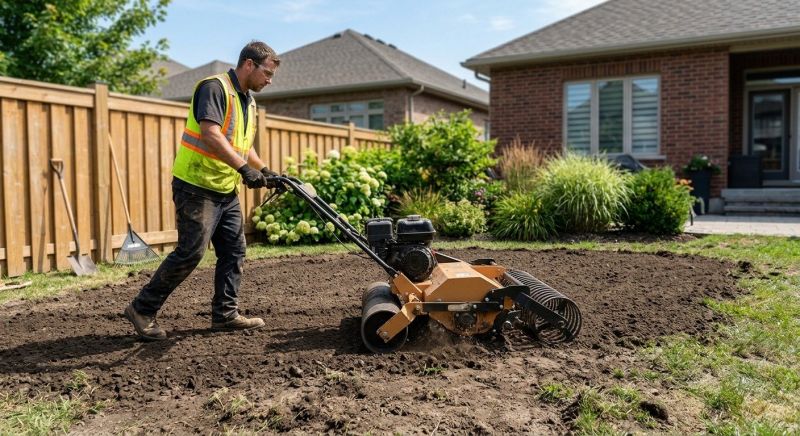
Lawn Leveling in Salt Lake City, UT
Lawn leveling services involve adjusting the surface of a yard to create a smooth, even terrain. This process is commonly used to address uneven spots, dips, or high and low areas caused by soil settling, erosion, or improper grading. Projects can range from minor touch-ups to larger areas that require significant reshaping, often to improve drainage, safety, or the overall appearance of a lawn. Homeowners typically seek lawn leveling to prevent water pooling, reduce trip hazards, and prepare the yard for further landscaping or lawn installation.
Before requesting lawn leveling, property owners should consider the extent of the unevenness and the underlying causes. It’s helpful to understand the current condition of the soil and any existing drainage issues. Proper assessment ensures the work addresses the root of the problem and results in a stable, long-lasting surface. Clear communication about the desired outcome, whether for aesthetic improvements or functional purposes, can help determine the most suitable approach for the project.
Many property owners in Salt Lake City, UT look into Lawn Leveling for repairs, replacements, upgrades, and appearance-related improvements.
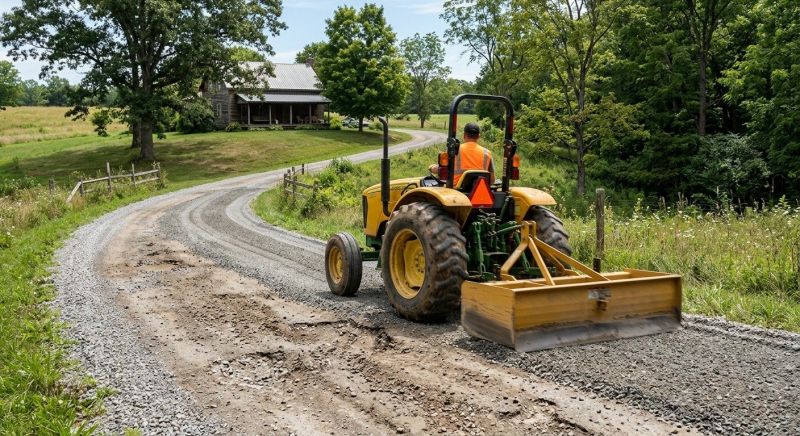
Lawn Leveling Services
Examples of lawn leveling work property owners may explore in salt lake city, ut.
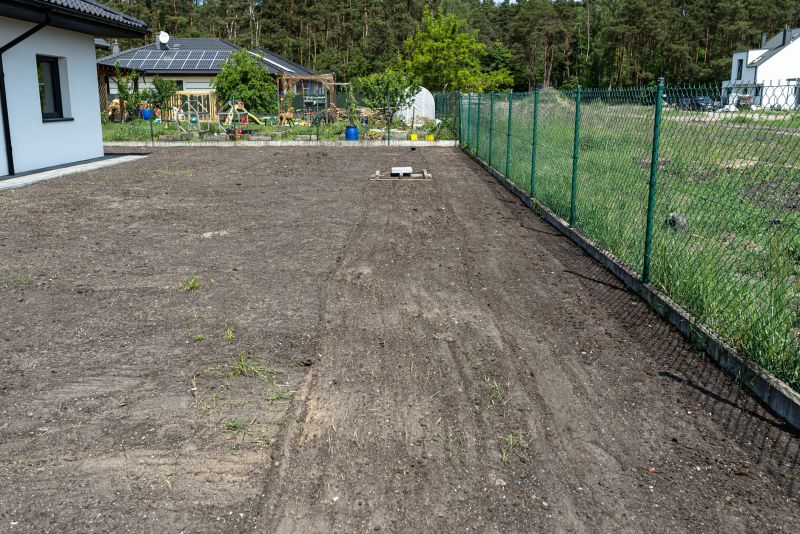
Lawn Leveling Updates
Common ways people refresh, improve, or restore lawn leveling features in salt lake city, ut.
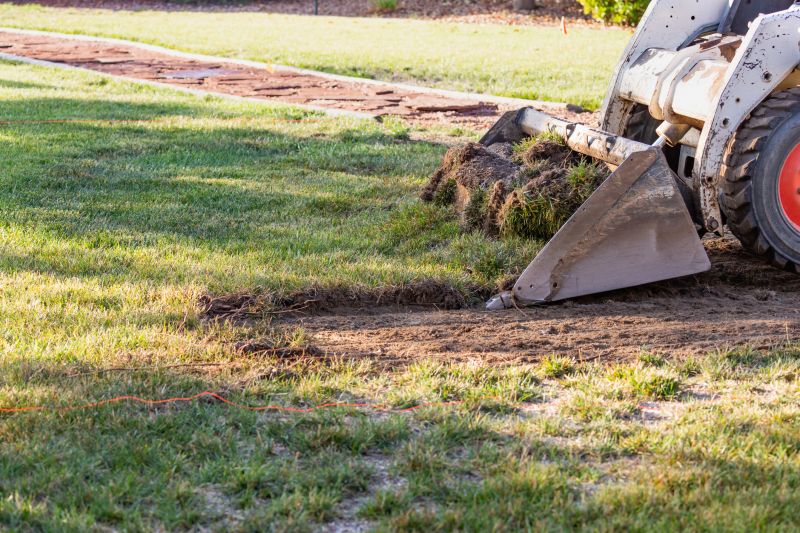
Lawn Leveling Options
Different styles, layouts, and finishes people consider for lawn leveling in salt lake city, ut.
Lawn Leveling in Salt Lake City, UT
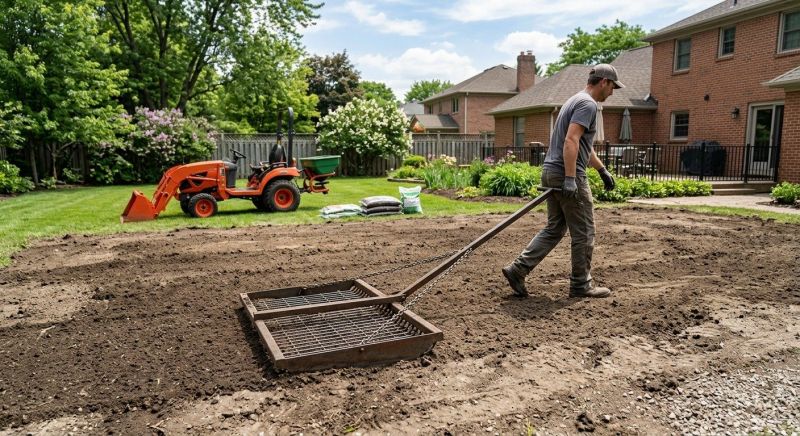
Lawn leveling services involve adjusting the surface of a yard to create a smooth, even terrain. This process is commonly used to address uneven spots, dips, or high and low areas caused by soil settling, erosion, or improper grading. Projects can range from minor touch-ups to larger areas that require significant reshaping, often to improve drainage, safety, or the overall appearance of a lawn. Homeowners typically seek lawn leveling to prevent water pooling, reduce trip hazards, and prepare the yard for further landscaping or lawn installation.
Before requesting lawn leveling, property owners should consider the extent of the unevenness and the underlying causes. It’s helpful to understand the current condition of the soil and any existing drainage issues. Proper assessment ensures the work addresses the root of the problem and results in a stable, long-lasting surface. Clear communication about the desired outcome, whether for aesthetic improvements or functional purposes, can help determine the most suitable approach for the project.
Many property owners in Salt Lake City, UT look into Lawn Leveling for repairs, replacements, upgrades, and appearance-related improvements.
Common Lawn Leveling Jobs
Residential lawn leveling - helps create a smooth and even surface for optimal grass growth.
Uneven yard correction - addresses slopes and dips that cause pooling or drainage issues.
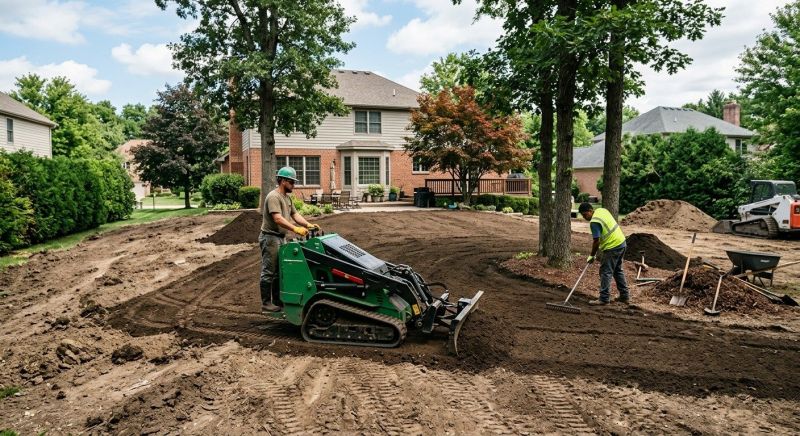
New lawn preparation - ensures a flat base for seed, sod, or planting projects.
Existing lawn leveling - improves the appearance and safety of mature lawns with uneven terrain.
Drainage improvement - reduces standing water and prevents erosion by leveling the yard.
Landscape grading - prepares properties for landscaping and prevents future unevenness.
Lawn Leveling Questions
What is lawn leveling? Lawn leveling involves smoothing out uneven areas to create a flat, even surface for better appearance and drainage.
When is lawn leveling needed? It is typically needed when there are dips, mounds, or uneven patches caused by soil settling or poor initial grading.
How does lawn leveling improve a yard? It helps prevent water pooling, reduces trip hazards, and provides a more uniform look for landscaping or grass growth.
What types of projects are suitable for lawn leveling? Lawn leveling is suitable for yards with uneven terrain, bare spots, or areas prone to erosion or drainage issues.
Request Lawn Leveling in Salt Lake City, UT
Use the quote form on this page to share the basics of your project and request more information for the type of work you need.